Why Only One-Third of the U.S. Senate Is on the Ballot Every Two Years
Article I, Section 3 divides the U.S. Senate into three staggered classes. Here are the 7 constitutional and historical reasons one-third is elected biennially.
Politics, history and the people who made it

Article I, Section 3 divides the U.S. Senate into three staggered classes. Here are the 7 constitutional and historical reasons one-third is elected biennially.
Explore the 8 statutory rules governing early in-person voting across all 50 states, from calendar windows and voter ID to ballot security and tabulation.
How congressional leaders used Rule XIV, discharge petitions, cloture, and committee expansions to pass civil rights legislation between 1957 and 1968.
Voters routinely estimate foreign aid at 25% of the U.S. budget. Official Treasury and congressional records show it accounts for less than…
How a 1975 FCC ruling and the 25th Amendment created televised vice presidential debates in 1976, plus the moments that defined five…
How county election boards recruit, train, and pay neighborhood poll workers under state bipartisan balance mandates and federal tax rules.
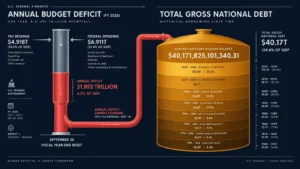
Explore 9 common myths about the U.S. federal budget deficit and national debt, verified against official Treasury and CBO fiscal year-end records.
How the Supreme Court filters thousands of certiorari petitions down to roughly 70 argued cases using the 1925 Judges' Bill, the cert…
Meet the seven American statesmen who held sworn federal office across the legislative, executive, and judicial branches under the U.S. Constitution.