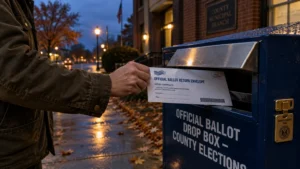
What Is the Difference Between Open, Closed, and Top-Two Primary Elections?
State primary laws govern voter eligibility, ballot structure, and candidate advancement. Compare the six primary election rules across all 50 states.
Politics, history and the people who made it

26 stories · page 2
State primary laws govern voter eligibility, ballot structure, and candidate advancement. Compare the six primary election rules across all 50 states.
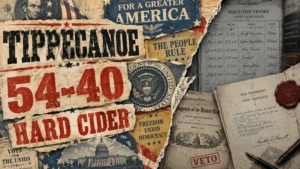
Explore 10 historic U.S. presidential campaign slogans from 1840 to 1984, comparing election promises against electoral vote tallies and policy outcomes.
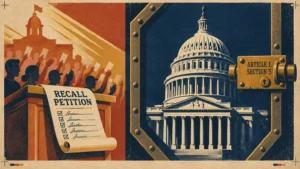
Nineteen states allow citizens to recall governors and state officials, while the U.S. Constitution bars the recall of members of Congress.
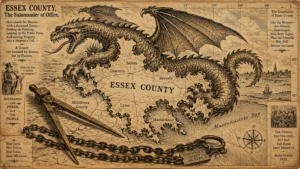
How gerrymandering works: the 7 core mapping tactics and Supreme Court rules that govern congressional redistricting from 1812 to today.
How eight statutory reforms, party rule changes, and convention battles between 1901 and 2018 replaced backroom boss deals with voter-driven primaries.
Review the six instances in U.S. history when the House of Representatives resolved a presidential election deadlock, disputed slate, or VP vacancy.
Explore the 7 constitutional and statutory rules governing how U.S. territories and Washington, D.C., participate in Congress and presidential elections.
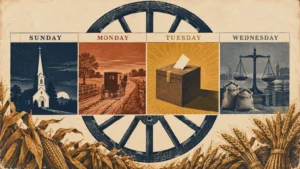
Discover the six statutory and historical reasons Congress set federal Election Day on the first Tuesday after the first Monday in November.
From the 1960 Kennedy-Nixon broadcast to the 2024 studio rules, explore nine general election debates that reshaped television production and campaign strategy.
From 1864 Civil War field balloting to 1998's Oregon Measure 60, trace the eight statutory milestones that shaped modern U.S. absentee and…