Why Only One-Third of the U.S. Senate Is on the Ballot Every Two Years
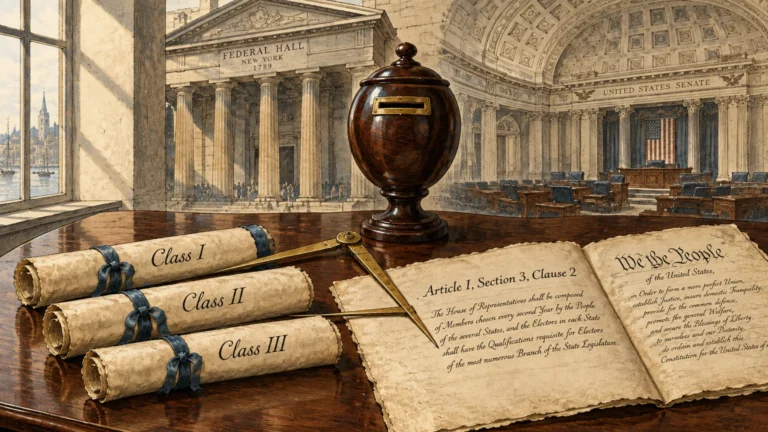
Article I, Section 3 divides the U.S. Senate into three staggered classes. Here are the 7 constitutional and historical reasons one-third is elected biennially.
Politics, history and the people who made it

Edits the Constitution & Congress section, covering how bills move through committee, Senate procedure, and the clauses of the Constitution that shape federal power. Checks each entry against Congress.gov, the Constitution Annotated and Congressional Research Service reports.
15 stories
Article I, Section 3 divides the U.S. Senate into three staggered classes. Here are the 7 constitutional and historical reasons one-third is elected biennially.
Of 55 delegates at the 1787 Constitutional Convention, only 39 signed. Discover the boycotts, summer walkouts, and holdouts that forced the Bill…
Explore 7 facts about the bipartisan 9/11 Commission, from its 2002 statutory mandate and executive interviews to the 2004 intelligence overhaul.
Explore 9 historical and statutory facts about the Library of Congress and how the Congressional Research Service (CRS) briefs federal lawmakers.
How the Presidential Succession Acts of 1792, 1886, and 1947 altered the emergency line of succession across nine major statutory mechanisms.
How the statutory federal budget calendar under the 1974 Budget Act compares with Congress's modern reliance on continuing resolutions and omnibus bills.
Explore 10 major laws and statutory adjustments that take effect every January 1, and learn how Congress and state legislatures set effective…
Explore 9 landmark speeches by foreign leaders to Congress, and learn the procedural difference between formal joint sessions and joint meetings.
Explore 10 historic Supreme Court dissents that later became binding U.S. law through constitutional amendments or landmark judicial reversals.
The House has impeached 21 federal officials across 22 proceedings, but the Senate has convicted and removed only eight. Here are the…