How Media Decision Desks Project Winners Before Official State Tallies
How media decision desks use statistical models to project election winners, and how those calls differ from official state canvassing and certification.
Politics, history and the people who made it

Edits Reality Check, the section that sets popular political claims against the documented record. Traces each myth to its source, checks it against primary documents and court records, and notes plainly when historians disagree.
36 stories
How media decision desks use statistical models to project election winners, and how those calls differ from official state canvassing and certification.
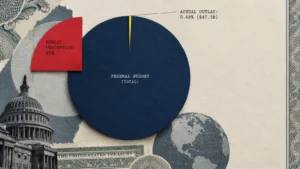
Voters routinely estimate foreign aid at 25% of the U.S. budget. Official Treasury and congressional records show it accounts for less than…
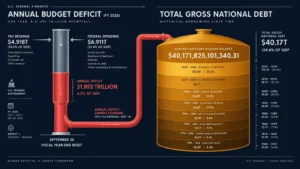
Explore 9 common myths about the U.S. federal budget deficit and national debt, verified against official Treasury and CBO fiscal year-end records.
How sampling math, doubled candidate spread margins, Address-Based Sampling, and the Total Survey Error framework govern political polling.
From the 1935 Social Security Act to modern FICA rules, see the statutes, roll-call votes, and Supreme Court cases behind federal payroll…
How the 1965 Social Security Amendments separated Title XVIII Medicare from Title XIX Medicaid, checking seven common myths against the statutory record.
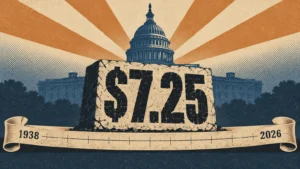
Nine common myths about the $7.25 federal minimum wage, checked against the Fair Labor Standards Act, Bureau of Labor Statistics data, and…
How the 37-word Title IX statute conditioned federal education dollars across admissions, vocational classes, faculty hiring, STEM research, and financial aid.
See how the Immigration Act of 1924 established national origins quotas, overseas consular visa screening, Asian exclusion, and modern border enforcement.
Federal statutes and treaties limit diplomatic immunity, require vehicle insurance, and affirm that embassies remain host-nation territory.